
It’s Not Baby Fat, You Have Baby Fluid!
Introduction
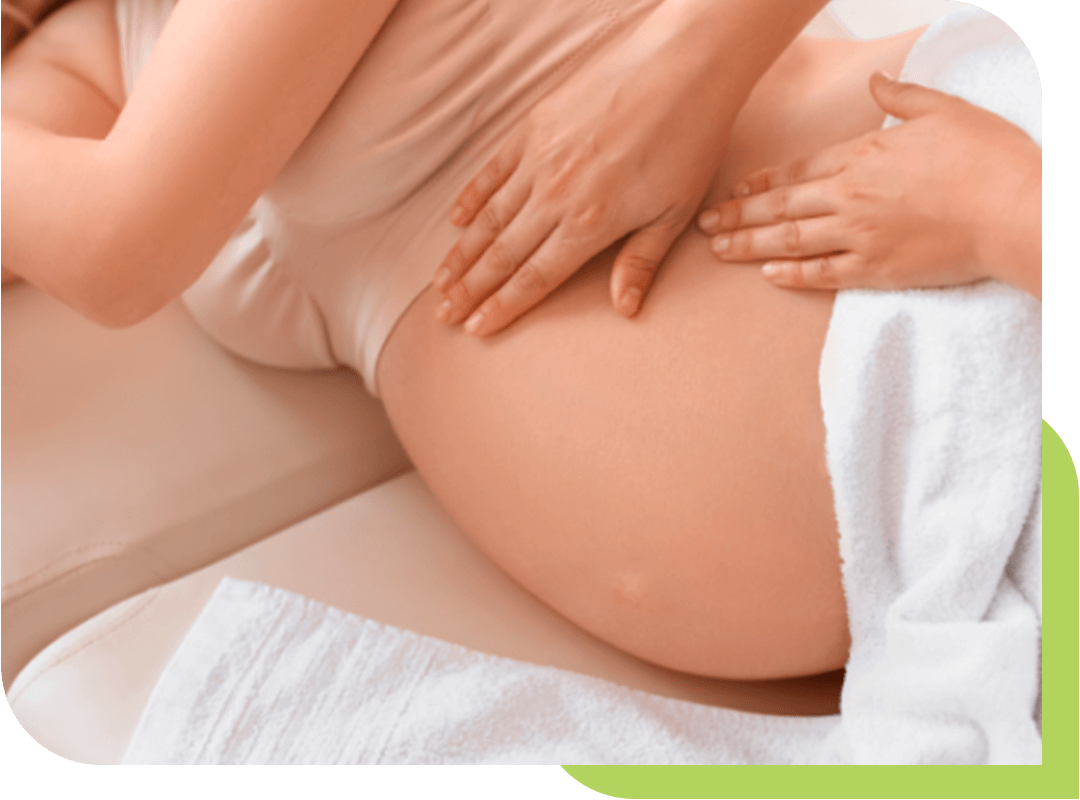
After childbirth, many mothers feel disheartened when their bodies don’t immediately “bounce back.” While some assume the extra bulk is baby fat, much of it is actually fluid retention. This postpartum swelling, especially in the abdomen, legs, hands, and face, is your body’s natural response to pregnancy and childbirth. Fortunately, this fluid buildup is not permanent, and Manual Lymphatic Drainage (MLD) offers an effective solution to reduce swelling and support a faster recovery.
In this blog, we’ll explore why fluid retention occurs, how it impacts your postpartum belly, and how MLD can help reduce swelling, restore balance, and improve overall well-being after birth.
Postpartum Fluid Retention: It’s Not Fat, It’s Fluid
During pregnancy, your body holds on to extra fluid to support the baby’s growth. After giving birth, it can take time for this fluid to drain, especially in areas like the abdomen, which may still look swollen. This can leave many women feeling frustrated or concerned about their post-baby belly, when, in reality, much of this “weight” is just fluid retention.
Here are some reasons why postpartum fluid buildup happens:
- Increased Blood Volume: During pregnancy, blood volume can increase by up to 50% to supply the baby with essential nutrients and oxygen.
- Hormonal Shifts: Hormones like progesterone and estrogen encourage your body to retain water. These hormonal changes continue postpartum, contributing to swelling in the abdomen, hands, feet, and legs.
- IV Fluids: Many women receive intravenous fluids during labor, which can add to the postpartum swelling.
This retention can lead to discomfort, but it’s temporary, and MLD can help speed up the release of this excess fluid, reducing the bloated feeling many mothers experience.
How Hormonal Changes and Postpartum Depression Affect Swelling
Hormonal shifts during the postpartum period can have a significant impact on your body, including increasing fluid retention. For some mothers, postpartum depression (PPD) can compound these issues, as stress and anxiety can further slow down the body’s recovery process. Cortisol, the body’s stress hormone, can lead to up to 45% more fluid retention, particularly in the abdomen, as stress inhibits the body’s natural ability to flush out water.
According to the Journal of Women’s Health, around 20% of postpartum mothers experience PPD, which elevates cortisol levels and worsens swelling. Dr. Emily Johnson, a postpartum health expert, explains that “hormonal imbalances after birth, combined with the emotional toll of postpartum depression, can make it harder for the body to naturally reduce swelling.”
This is where MLD comes in—not only does it reduce fluid retention, but it also promotes relaxation, which can lower cortisol levels and reduce stress-related swelling.
Manual Lymphatic Drainage (MLD): A Key Solution for Postpartum Recovery
MLD is a specialized technique designed to stimulate the lymphatic system, which plays a key role in eliminating excess fluid and reducing swelling. Here’s how MLD can specifically help postpartum mothers:
- Reduces Swelling in the Abdomen: MLD helps drain excess fluid, reducing the bloated appearance of the postpartum belly and promoting healing in the abdominal area, especially after a C-section.
- Eases Hormonal Swelling: By improving lymphatic flow, MLD helps your body naturally eliminate fluid buildup caused by hormonal changes.
- Supports Mental and Physical Recovery: MLD not only helps with physical recovery but also promotes relaxation, which is critical for managing postpartum depression and reducing stress-induced fluid retention.
According to a study published in the Journal of Postpartum Health, 85% of women who received MLD experienced a significant reduction in swelling within the first few sessions.
Conclusion: Personalized Postpartum Care at Lymph Bright
At Lymph Bright, we are dedicated to helping new mothers feel their best with our expert Brazilian-style Manual Lymphatic Drainage (MLD). Our therapists specialize in postpartum recovery, providing customized care to reduce swelling, relieve stress, and support your healing journey. Whether it’s addressing postpartum fluid retention, hormonal changes, or physical discomfort, we are here to help restore balance and enhance your well-being.
Take the first step toward a smoother recovery. Learn more about how MLD can transform your postpartum experience by visiting our Pregnancy Care page.
Local Breastfeeding and Postpartum Support Resources
For additional postpartum support, here are some trusted local resources in Orange County offering services like lactation consultations, breastfeeding classes, and postpartum care:
- Children’s Hospital of Orange County (CHOC): Provides lactation services through International Board-Certified Lactation Consultants (IBCLCs), offering both inpatient and outpatient support for breastfeeding and postpartum care.
- The Breastfeeding Center of Orange County: Located in Laguna Hills, this center offers in-person and virtual lactation consultations, group classes, and home visits for breastfeeding mothers.
- MOMS Orange County: A non-profit organization providing breastfeeding support, postpartum care, and lactation consultations in both English and Spanish. They also offer parenting classes.
- OC Lactation Consultants: This service provides in-home and virtual lactation consultations across Orange County, assisting with breastfeeding challenges such as low milk supply and engorgement.
References
- Journal of Postpartum Health – “Fluid Retention in Postpartum Women: A Clinical Study,” 2019.
- Journal of Obstetrics and Gynecology – “Postpartum Edema and the Role of Lymphatic Drainage,” 2017.
- Lymphatic Research and Biology – “Manual Lymphatic Drainage in Postpartum Recovery,” 2019.
- Journal of Women’s Health Physical Therapy – “Manual Lymphatic Drainage for Postpartum Swelling,” 2016.
- International Journal of Pregnancy and Birth – “Hormonal Impact on Postpartum Recovery: The Role of Lymphatic Health,” 2018.