
Breast Cancer and Lymphedema: Managing Swelling After Treatment for Enhanced Quality of Life
Introduction
Lymphedema is a significant side effect of breast cancer treatment, often arising after lymph node removal (axillary lymph node dissection) or radiation therapy. This condition occurs when the lymphatic system, responsible for draining excess fluid from tissues, becomes compromised, leading to painful swelling in the arms, chest, or breast areas. While lymphedema can become a chronic and debilitating condition, early intervention and regular treatment—particularly Manual Lymphatic Drainage (MLD)—can significantly improve patients’ quality of life.
This blog explores the relationship between breast cancer treatment and lymphedema and reviews scientific evidence supporting MLD as an essential therapeutic tool for managing symptoms and improving long-term outcomes.
How Breast Cancer Treatment Causes Lymphedema
Lymphedema develops when the normal flow of lymph fluid is interrupted, often due to surgical removal of lymph nodes or radiation therapy. Both treatments, commonly used to address breast cancer, can damage or remove parts of the lymphatic network, resulting in a buildup of lymph fluid in the surrounding tissues.
In breast cancer, lymphedema typically presents in the arm, chest wall, or breast, causing swelling, pain, heaviness, and sometimes infection. Research shows that between 20-40% of breast cancer patients who undergo axillary lymph node dissection (ALND) and/or radiation therapy are at risk of developing lymphedema within 2-5 years of treatment. The long-term effects of untreated lymphedema include tissue fibrosis, decreased mobility, recurrent infections, and diminished quality of life.
- Axillary Lymph Node Dissection (ALND): Removing lymph nodes under the arm (axilla) reduces the number of drainage pathways available for lymphatic fluid, creating a high risk for lymphedema.
- Radiation Therapy: Targeting the axilla or chest can cause scarring and damage to lymphatic vessels, further impeding the flow of lymphatic fluid.
Dormant Lymphedema: Understanding Stage 0 and Triggers
It’s important to note that lymphedema can remain dormant in the body for years, often referred to as Stage 0 lymphedema. At this stage, there may be no visible swelling, but the lymphatic system has already been compromised due to surgery or radiation. Patients may experience sensations like heaviness or tightness in the arm or chest, even without noticeable swelling. Without proper care, certain triggers can activate dormant lymphedema and progress it to a visible stage.
Common Triggers Include:
- Blood pressure cuffs: Applying a cuff to the arm with lymph node removal increases swelling risk.
- Infections or injuries: Minor injuries like cuts or insect bites can overwhelm the compromised lymphatic system.
- Prolonged immobility: Extended inactivity, such as during long flights, can cause fluid buildup.
- Heavy lifting or strenuous exercise: Overexertion can increase lymph fluid production beyond what the system can handle.
- Heat exposure: High temperatures, including saunas, dilate blood vessels and increase fluid accumulation.
Prevention Tips:
- Avoid using the affected arm for blood pressure readings, injections, or blood draws.
- Wear compression garments during long flights or extended periods of sitting.
- Protect the skin from cuts, insect bites, or burns to prevent infections.
- Stay hydrated and avoid overheating.
- Gradually increase physical activity with low-impact exercises under professional guidance.
Manual Lymphatic Drainage (MLD): A Vital Tool for Lymphedema Management
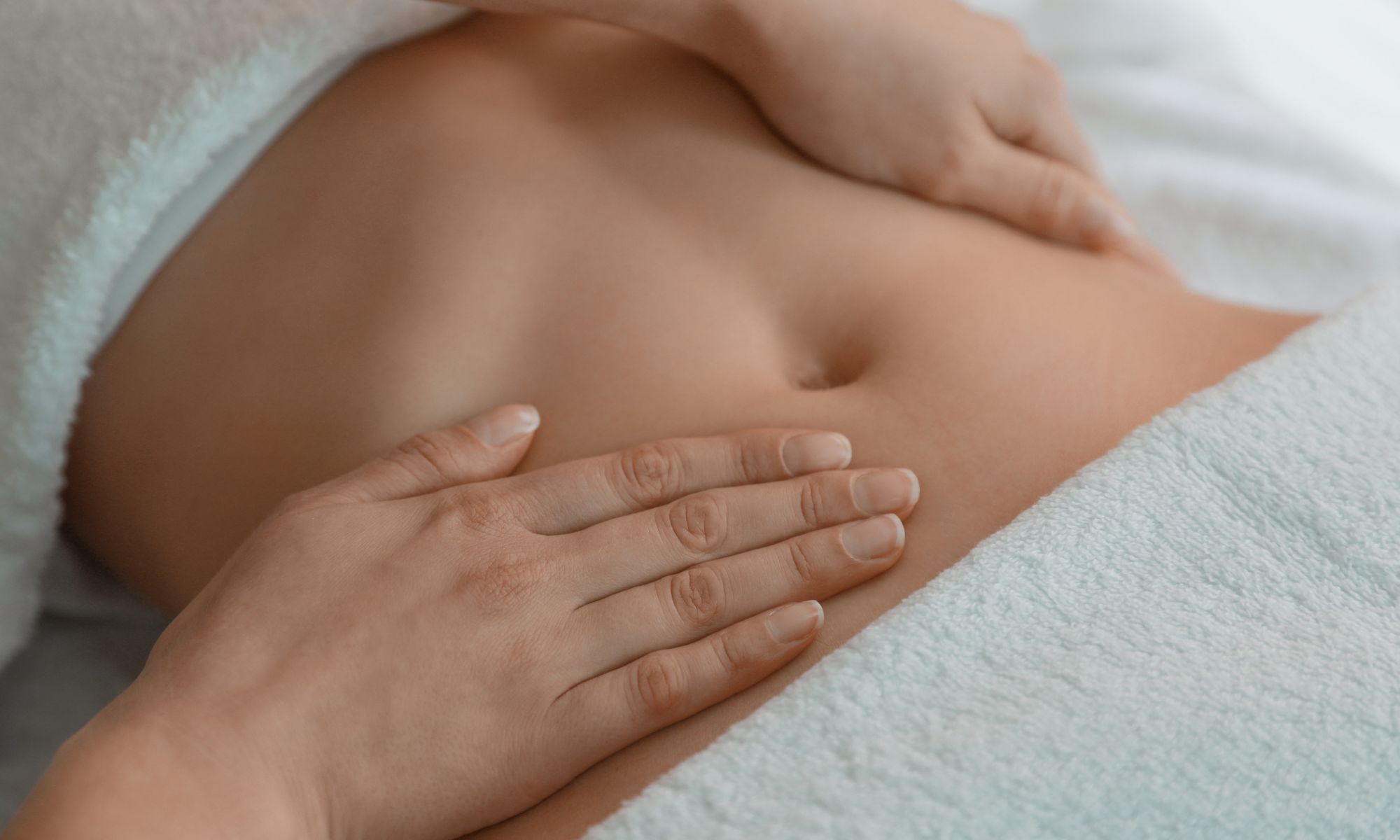
MLD is a specialized, non-invasive therapy that promotes lymphatic flow by gently stimulating the lymphatic vessels using rhythmic, light pressure techniques. MLD helps redirect lymphatic fluid from swollen areas to functioning lymph nodes, reducing swelling and discomfort.
Studies indicate that MLD, especially when used as part of a Complete Decongestive Therapy (CDT) program, significantly reduces lymphedema volume and improves limb function. CDT combines MLD with compression therapy, exercise, and skin care to holistically address lymphedema.
- A study by Földi et al. (2007) found that patients receiving MLD and compression bandaging experienced a 40% reduction in limb volume, along with improved physical and emotional well-being.
- Ridner et al. (2013) highlighted the long-term benefits of MLD in preventing fibrosis and reducing cellulitis frequency, enhancing immune function and quality of life.
Scientific Evidence Supporting MLD
Several large-scale studies confirm the efficacy of MLD in managing lymphedema:
- Stout et al. (2012): Early intervention reduced severe lymphedema risk by 81% in breast cancer patients.
- Harris et al. (2017): Consistent MLD reduced the need for additional surgeries or medications.
- Pyszora et al. (2017): MLD improved emotional recovery by reducing anxiety and body image concerns.
MLD and Compression Therapy: A Gold-Standard Combination
While MLD effectively reduces swelling, compression therapy ensures results are maintained. Compression garments or bandages prevent fluid from re-accumulating, supporting long-term symptom management.
A meta-analysis by Bernas et al. (2016) showed that combining MLD with compression therapy resulted in 50-60% greater swelling reduction compared to compression alone, underscoring the importance of this integrated approach.
Conclusion: Personalized Care at Lymph Bright
At Lymph Bright, we specialize in customized Manual Lymphatic Drainage (MLD) treatments for breast cancer survivors managing lymphedema. Our certified therapists utilize evidence-based techniques to reduce swelling, alleviate discomfort, and improve quality of life. Whether addressing early-stage symptoms or advanced conditions, we’re committed to supporting your recovery journey.Visit our Lymphedema page for detailed management strategies and expert care.
Take the first step toward effective lymphedema management. [Book your session today!]
Lymphedema Support in Southern California
- UCI Health Lymphedema Therapy (Orange County): Comprehensive lymphedema therapy, including MLD and compression fittings.
- Hoag Hospital Lymphedema Services (Orange County): Offers Complete Decongestive Therapy (CDT), incorporating MLD, compression therapy, and skin care education.
- Providence St. Joseph Health Lymphedema Program (Orange County): Specializes in lymphedema management for cancer patients with tailored therapy programs.
- Dr. Emily Iker – Lymphedema Center (Los Angeles): A leading expert providing both surgical and non-surgical treatment options.
- UCLA Lymphedema Program (Los Angeles): Advanced care with MLD, compression therapy, and personalized rehabilitation.
- Sharp Healthcare Lymphedema Program (San Diego): Focuses on early intervention with certified therapists offering MLD and patient education.
References
Stout, G. J., et al. (2012). Early intervention with MLD reduces lymphedema risks. Journal of Breast Cancer Therapy.
Bernas, M. J., et al. (2016). A meta-analysis of manual lymphatic drainage and compression therapy for lymphedema. Journal of Lymphatic Research.
Földi, E., Földi, M., & Clodius, L. (2007). The impact of MLD in managing lymphedema. Lymphology.
Harris, S. R., et al. (2017). The role of MLD in breast cancer survivors. Cancer Rehabilitation Journal.
Ridner, S. H., et al. (2013). Preventing lymphedema progression. Journal of Clinical Oncology.