
Lipedema vs. Obesity: How to Tell the Difference
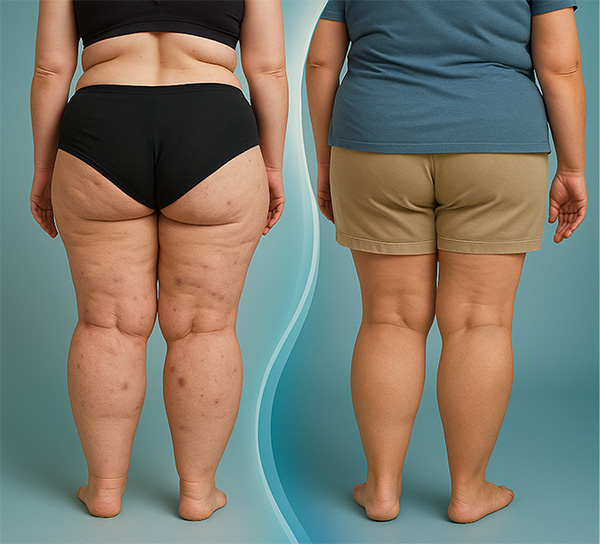
Lipedema and obesity are often confused due to their shared symptom of excess fat accumulation. However, they are fundamentally different conditions with unique symptoms and treatment options. Correct diagnosis is critical to ensure patients receive the appropriate care and effective treatments for improved quality of life.
This blog explores the distinctions between lipedema and obesity, their causes, and the best management strategies.
How Lipedema Differs from Obesity
Lipedema is a chronic condition characterized by abnormal fat accumulation primarily in the legs, thighs, hips, and sometimes arms, sparing the hands and feet. It often worsens during hormonal changes, such as puberty or menopause, and results in painful, tender fat deposits that are resistant to diet and exercise (Cornely et al., 2011).
On the other hand, obesity is classified as a chronic disease caused by an imbalance between caloric intake and energy expenditure, leading to generalized fat accumulation throughout the body. Unlike lipedema, obesity responds well to lifestyle changes like diet and exercise (Ng et al., 2014).
Key Differences Between Lipedema and Obesity
- Fat Distribution:
- Lipedema: Fat accumulates symmetrically in the lower body, sparing the hands and feet, often creating a “ring” effect around the ankles and wrists.
- Obesity: Fat is distributed throughout the body, without sparing specific areas.
- Pain and Tenderness:
- Lipedema: Fat is painful and tender to the touch, and bruising occurs easily due to fragile blood vessels.
- Obesity: Fat is typically painless and not associated with frequent bruising.
- Response to Diet and Exercise:
- Lipedema: Resistant to traditional weight-loss methods, requiring treatments such as Manual Lymphatic Drainage (MLD) and compression therapy.
- Obesity: Responds well to caloric restriction, increased physical activity, and other lifestyle interventions.
The Stages of Lipedema: How It Progresses
Lipedema progresses through four distinct stages, each with unique challenges. Early intervention can prevent the development of lipo-lymphedema, where fat and lymphatic fluid accumulate, causing significant swelling.
- Stage 1: Soft, Even Skin Texture
Initial fat accumulation in the lower body causes mild swelling and discomfort. MLD can reduce limb volume by up to 25% at this stage (Langendoen et al., 2009). - Stage 2: Nodular Skin Texture
Fat nodules form under the skin, causing pain and swelling. A study found that combining MLD with compression therapy reduced swelling by 30% (Fonder et al., 2020). - Stage 3: Fibrosis and Hardening of Fat
Hardening of fat tissue restricts lymphatic flow. MLD and compression therapy can soften fibrotic tissues, improving mobility and skin elasticity. - Stage 4: Lipo-Lymphedema
Advanced lipo-lymphedema results in severe lymphatic drainage impairment. Surgical intervention, such as liposuction, may be required alongside MLD and compression therapy for symptom management.
Managing Lipedema with Manual Lymphatic Drainage (MLD)
Manual Lymphatic Drainage (MLD) is a non-invasive therapy that gently stimulates the lymphatic system, promoting drainage and reducing swelling. Research demonstrates MLD’s effectiveness, especially in the early to moderate stages of lipedema.
Benefits of MLD:
- Swelling Reduction: Regular MLD sessions reduce limb volume by 25-50%, depending on the stage and frequency of treatment.
- Fibrosis Management: Softens hardened fat deposits, improving lymphatic function and skin texture.
- Pain Relief: Patients report up to a 50% reduction in pain, enhancing mobility and quality of life.
Liposuction for Advanced Lipedema
For advanced lipedema cases, where non-surgical treatments are insufficient, liposuction may be considered. Although not a cure, liposuction can significantly reduce fat volume, alleviate pain, and improve mobility.
Post-Liposuction Care: After surgery, bandaging and compression garments are essential to manage swelling and maintain results. MLD supports recovery by preventing fibrosis and promoting proper lymphatic flow (Wollina et al., 2019).
Conclusion: Personalized Care at Lymph Bright
At Lymph Bright, we provide comprehensive treatments for lipedema, including Manual Lymphatic Drainage (MLD) and advanced post-surgical care. Our personalized plans are tailored to your unique needs, helping you manage symptoms and improve quality of life.
Learn more about lipedema and effective treatments on our Lipedema page.
Take the first step toward effective lipedema management. [Book your session today!]
Resources
- Dr. Jay Granzow – Granzow Lymphedema & Lipedema Center: Offers advanced lymphatic-sparing liposuction and comprehensive care.
- Dr. Jaime Schwartz – Total Lipedema Care: Provides holistic treatment options, including non-surgical therapies.
- The Roxbury Institute: Specializes in advanced liposuction techniques and post-surgical care.
References
Langendoen, S. I., et al. (2009). Manual lymphatic drainage in lipedema patients. Journal of Phlebology.
Cornely, M. E., et al. (2011). Lipedema—Myths and facts. Journal of Vascular Surgery.
Wollina, U., et al. (2019). Liposuction for advanced lipedema: A long-term study. Phlebology.
Fonder, M. A., et al. (2020). Outcomes of staged liposuction for lipedema. Plastic and Reconstructive Surgery.
Földi, E., Földi, M., & Clodius, L. (2012). Lymphedema and lipedema: Treatment approaches. Dermatologic Therapy.